
"founded in 1970"
1000 article(s) found

Coffee and health knowledge about caffeine
Whether coffee affects health is a topic of great concern to many people, and scientists have been debating it for many years. But so far, scientific research has not found conclusive evidence that moderate consumption of coffee is harmful to human health. Between 1970 and 1980, the results of this study were usually negative. Extensive media coverage makes people feel uneasy about the caffeine in their diet
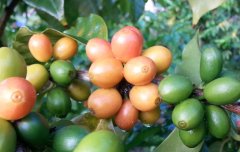
An introduction to the Origin and Development of Rosa Coffee
The species of Geisha was discovered in the Rose Summer Forest of Ethiopia in 1931 and sent to the Coffee Institute in Kenya; it was introduced to Uganda and Tanzania in 1936, in Costa Rica in 1953, and Panama was introduced in the 1970s by Francesca of Dongba Seven Farm Garden. Mr. Serraxin got the seeds from CATIE, Costa Rica, and started growing Rosa Coffee.

Brazilian Organic Coffee beans Brazilian Serrado Coffee Manor what kind of coffee is Brazilian Acaia?
Country of origin: Brazil: Serrado Manor: Fazenda Nossa Senhora de Fatima altitude: 950m Variety: Acai treatment: sun Flavor: caramel, Chocolate, Nuts Certification: organically grown in the Cerrado Mineiro region of northwest Minas Gerais is the world's recognized producer of premium coffee and became the first insured coffee in Brazil in 2005

More intense flavor of Costa Rica San Roman coffee estate production area Flavor taste characteristics Introduction
It was originally inhabited by Indians. 1502 C. Columbus discovered the Costa Rican coast on his fourth voyage. Since then, Spanish settlers have invaded many times. Cartago City was built in 1563, Costa Rica became a Spanish colony and was placed under the jurisdiction of the Governor General of Guatemala. During colonial rule, Indians were almost wiped out under the cruel enslavement and oppression of Spanish colonists.

How to produce decaf coffee? Solvent extraction supercritical fluid extraction water treatment
Having a cup of coffee in the morning to kick off the day's work has become a daily ritual for many people, and even tasting coffee has become a social activity. However, the problem that bothers many people is that although they like the unique smell of coffee, they do not want coffee to be too "refreshing" to affect their daily life. Decaf coffee (decaf coffee, also known as decaf coffee)

Brief introduction of Rose Summer Fine Coffee beans High Price Coffee beans Panama Rose Summer
Introduction to rose summer: the species of Geisha was discovered in the rose summer forest of Ethiopia in 1931 and sent to the Coffee Research Institute in Kenya; it was introduced to Uganda and Tanzania in 1936, in Costa Rica in 1953, and Panama was introduced by Franco Seven Farm Garden in Dongba in the 1970s. Mr. Serraxin got the seed from CATIE, Costa Rica.

Know whether coffee has more advantages or disadvantages.
Whether coffee affects health is a topic of great concern to many people, and scientists have been debating it for many years. But so far, scientific research has not found conclusive evidence that moderate consumption of coffee is harmful to human health. Between 1970 and 1980, the results of this study were usually negative. Extensive media coverage has made people uneasy about the caffeine in their diets

Coffee and health knowledge: does coffee affect health?
Whether coffee affects health is a topic of great concern to many people, and scientists have been debating it for many years. But so far, scientific research has not found conclusive evidence that moderate consumption of coffee is harmful to human health. Between 1970 and 1980, the results of this study were usually negative. Extensive media coverage makes people feel uneasy about the caffeine in their diet

Panamanian Rosa Blue Standard Red Standard Coffee Bean Flavor description Taste treatment Variety region Grinding scale
Flavor description of Panamanian Rose Summer Blue Standard Red Standard Coffee Bean Flavor treatment Variety Regional Grinding scale introduction of Rosa Coffee (Geisha) species found in the rose forest of Ethiopia in 1931 and sent to the Coffee Institute in Kenya; introduced to Uganda and Tanzania in 1936, introduced to Costa Rica in 1953, and Panama was introduced from Dongba Seven Agricultural Garden in the 1970s.

Panamanian Coffee Flavor description Taste Variety characteristics introduction of Fine Coffee beans
Species of Geisha were discovered in the Rose Summer Forest of Ethiopia in 1931 and sent to the Coffee Research Institute in Kenya, introduced to Uganda and Tanzania in 1936, introduced to Costa Rica in 1953, and Panama was introduced in the 1970s by Mr. Francico Serraxin of the Tonba Seven Farm Garden from CATIE in Costa Rica and began to grow Rose Summer Coffee. G

Introduction to the producing areas of Esmeralda Manor Coffee with Jasmine Flavor and Citrus
Species of Geisha were discovered in the Rose Summer Forest of Ethiopia in 1931 and sent to the Coffee Research Institute in Kenya, introduced to Uganda and Tanzania in 1936, introduced to Costa Rica in 1953, and Panama was introduced in the 1970s by Mr. Francico Serraxin of the Tonba Seven Farm Garden from CATIE in Costa Rica and began to grow Rose Summer Coffee. G

Coffee beans of moderate particle size. Flavor, taste, aroma. Description
In many countries coffee production is severely affected for political reasons. The coffee industry in Nicaragua is no exception. The revolution of 1979 forced coffee growers to flee to Miami. A period of uncertainty ensued as the government considered whether to reallocate land (including many plantations), resulting in coffee shortages and declining yields from the early 1970s.

A brief introduction to the cultivation of fine coffee beans in Tianqi Manor with moderate particle size, geographical location, climate and altitude.
When tasting Nicaraguan coffee, it is best to drink cold water first, so that you can better feel its mellow taste. Drink coffee while it is hot, because the tannins in Nicaraguan coffee are easy to change during cooling, and the taste becomes sour, which will affect the flavor of the coffee. You can add the right amount of sugar, and then add cream. Enjoy a cup of high quality Niga

The origin and development history and culture of fine coffee beans
In many countries coffee production is severely affected for political reasons. The coffee industry in Nicaragua is no exception. The revolution of 1979 forced coffee growers to flee to Miami. A period of uncertainty ensued as the government considered whether to reallocate land (including many plantations), resulting in coffee shortages and declining yields from the early 1970s.

Introduction to the characteristics of Nicaraguan Coffee Flavor Manor with different levels of Taste
Columbus arrived here in 1502 and reached the east coast of Nicaragua. In 1522, Spanish colonists began to conquer the region. The cities of Granada and Leon were founded in 1524. From then on, Nicaragua became a Spanish colony and came under the jurisdiction of the Governor's Office of Guatemala. The city of Leon developed into a political and cultural center; Granada became a commercial and agricultural center. In the later period of colonial rule

Silky and meticulous Tianci Manor Fine Coffee Bean Planting Location Climate Elevation Profile
In many countries coffee production is severely affected for political reasons. The coffee industry in Nicaragua is no exception. The revolution of 1979 forced coffee growers to flee to Miami. A period of uncertainty ensued as the government considered whether to reallocate land (including many plantations), resulting in coffee shortages and declining yields from the early 1970s.

A brief introduction to the planting Market Price of Fine Coffee Bean varieties in Tian Chi Manor
Columbus arrived here in 1502 and reached the east coast of Nicaragua. In 1522, Spanish colonists began to conquer the region. The cities of Granada and Leon were founded in 1524. From then on, Nicaragua became a Spanish colony and came under the jurisdiction of the Governor's Office of Guatemala. The city of Leon developed into a political and cultural center; Granada became a commercial and agricultural center. In the later period of colonial rule

Costa Rican Tara Zhu producing area Shepherd Boy Manor introduces how to drink Costa Rican coffee beans?
Professional coffee knowledge exchange more coffee bean information please follow the coffee workshop (Wechat official account cafe_style) Product name: Costa Rica Tarazu Shepherd Boy Manor washing (Costa Rica Tarrazu La Pastora SHB Washed) Flavor description: green apples, fried almonds, cream corn, dates and caramel countries: Costa Rica (Costa Rica) producing areas

Introduction of coffee flavor and taste varieties of Blue Mountain Coffee in Jamaica
In the mid-1970s, the Governor of Jamaica, Sir Nicholas Lloyd (Nicholas Lawes), imported Arabica seeds from Martinique and began to plant them in St. Andrew. To this day, St. Andrews is still one of the three major producing areas of Jamaican Blue Mountain Coffee, with the other two producing areas: Portland (Por).

A brief introduction to the Origin, Development, History and Culture of Fine Coffee beans in Tian Chi Manor
Columbus arrived here in 1502 and reached the east coast of Nicaragua. In 1522, Spanish colonists began to conquer the region. The cities of Granada and Leon were founded in 1524. From then on, Nicaragua became a Spanish colony and came under the jurisdiction of the Governor's Office of Guatemala. The city of Leon developed into a political and cultural center; Granada became a commercial and agricultural center. In the later period of colonial rule